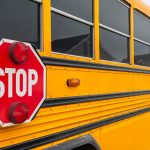
The return to school transforms the roads. School buses stop and start on busy routes, children cross streets near schools and bus stops, and newly licensed teenagers join the morning rush. It is no coincidence that crashes involving children and young drivers rise sharply this time of year. If your family has been affected, understanding how a school bus accident claim works in West Virginia and Ohio, and who can be held responsible, is the first step toward protecting your child and your rights. These cases can be legally complex, and the stakes, especially when a child is hurt, could not be higher.
At Klie Law Offices, our car accident attorneys help injured children, parents, and drivers in West Virginia and Ohio pursue the compensation they deserve after a back-to-school crash. This article explains the main types of school-season collisions, who may be liable, how each state handles fault, and what to do if your child or family is injured.
The Main Types of Back-to-School Crashes
School-season collisions tend to fall into a few recognizable categories, each with its own legal considerations. Understanding which one applies helps clarify how a claim would proceed.
- School bus crashes. These can involve a bus striking another vehicle, a vehicle striking a bus, or a child injured while boarding or exiting. Liability may involve the driver, the vehicle that failed to stop, or others.
- Child pedestrian accidents. Children walking to school or crossing at bus stops are especially vulnerable. Drivers who speed through school zones or ignore stopped buses put them at serious risk.
- Teen driver crashes. Newly licensed drivers lack experience, and crashes involving young drivers spike when school resumes. Questions of liability can involve the teen, other drivers, and sometimes parents.
- School-zone collisions. Congestion, distraction, and speed combine in school zones, where even low-speed crashes can injure children.
Each of these scenarios raises distinct questions about who was at fault and what compensation may be available. When a pedestrian is involved, the potential for serious injury is high, and our page on pedestrian accidents addresses the specific challenges these cases present.
Who Can Be Held Responsible?
Determining liability after a back-to-school crash depends on the facts, and more than one party may share responsibility. Identifying every potentially responsible party is important, because it affects the compensation available to an injured child or family.
Depending on the circumstances, responsibility may rest with a driver who ignored a stopped school bus or failed to yield in a school zone, a driver who was speeding or distracted, or a driver whose negligence caused a bus crash. In some cases, questions arise about a bus driver's conduct or a vehicle's maintenance. When a teen driver is at fault, liability can involve the young driver and, in some situations, the adults responsible for them.
These cases often involve insurance companies that are quick to minimize what they owe, particularly when a child's injuries may have long-term effects that are not immediately obvious. A thorough investigation, prompt preservation of evidence, and careful documentation of the child's injuries are essential. If a crash results in a serious injury, our overview of major motor vehicle injuries explains how significant harm affects a claim's value.
How West Virginia and Ohio Handle Fault
Both states allow injured people to recover compensation even if they share some fault, but the specifics differ, and the distinction can matter a great deal in a school-zone case.
West Virginia follows a modified comparative fault system. Under West Virginia Code provisions governing comparative fault, an injured person can recover as long as they are not more at fault than the parties they are suing, but their recovery is reduced by their percentage of fault. If they are found more than half at fault, they generally cannot recover. Ohio uses a similar modified comparative negligence approach, under which an injured person's recovery is reduced by their share of fault and barred if their fault exceeds a threshold.
In cases involving children, fault questions can be especially nuanced, because young children are generally held to a different standard than adults. A driver cannot expect a small child to behave with adult caution near a roadway. This is one of many reasons these cases benefit from experienced legal guidance rather than a quick settlement with an insurer. Because the two states apply different rules, families near the border should be sure they understand which state's law governs their claim.
What to Do If Your Child or Family Is Injured
The steps you take after a back-to-school crash can protect both your child's health and any future claim. Keeping these priorities in mind helps in a stressful moment.
- Seek medical care immediately. A child's health comes first, and prompt evaluation also documents injuries. Some serious injuries, including head injuries, may not show symptoms right away.
- Report the crash. Ensure law enforcement responds and documents the scene, including any violation such as passing a stopped bus.
- Gather information. Collect details about the drivers, vehicles, and any witnesses, and take photos if you can do so safely.
- Preserve evidence. School-zone and bus-stop crashes may be captured by cameras that are overwritten quickly, so acting fast matters.
- Be cautious with insurers. Adjusters may push for a quick settlement before the full extent of a child's injuries is known. Consult an attorney before agreeing to anything.
Because injuries to children can have lasting effects on their development and future, it is especially important not to settle a claim before those effects are fully understood. An early, low settlement can leave a family without the resources needed for long-term care.
Why These Cases Deserve Extra Care
Crashes that injure children are not simply smaller versions of adult injury cases; they carry considerations that make careful handling essential. A child's injuries can affect growth, development, and future earning capacity in ways that are not obvious in the days after a crash, which means the full value of a claim may not be clear right away. This is precisely why a quick settlement offer, however tempting during a stressful time, can shortchange a family. Children also may not describe their symptoms accurately, so injuries can be missed without thorough medical evaluation. In our experience, the families who fare best are those who prioritize a complete medical picture, document everything, and resist the pressure to resolve a claim before the long-term effects of a child's injuries are understood. When a child's future is at stake, patience and thoroughness protect far more than speed does.
Local Context for Families in West Virginia and Ohio
Back-to-school crashes happen on the local streets and school routes our clients travel every day. From our offices across West Virginia and our Canton, Ohio location, we help injured children and families pursue fair compensation after a school-season wreck. Because we handle personal injury cases on a contingency basis, families pay no attorney fees unless we recover for them, which we explain on our page about working with no cost unless you win.
As the school year gets underway, drivers share the road with children and young drivers who need extra care. When a driver fails to provide it and a child is hurt, holding them accountable helps the family recover and makes the roads safer for everyone.
Frequently Asked Questions
Who is liable if my child is hit while getting off the school bus?
Liability often falls on a driver who illegally passed a stopped school bus, but the facts matter. Depending on the circumstances, responsibility could involve that driver, the bus operation, or others. A thorough investigation is needed to identify every responsible party.
Can I still recover if my child was partly at fault?
Likely yes. Both West Virginia and Ohio allow recovery when the injured person shares some fault, with compensation reduced by their percentage. Importantly, young children are generally held to a different standard than adults, which affects how fault is assessed.
What if a teen driver caused the crash?
When a young driver is at fault, liability can involve the teen and, in some situations, the adults responsible for them. These cases can be complex, and identifying all sources of potential compensation is important, especially when injuries are serious.
How is fault decided differently in West Virginia versus Ohio?
Both states use a modified comparative fault approach that reduces recovery by your share of fault and bars it if your fault is too high. The specific thresholds and rules differ, so it matters which state's law governs your claim. An attorney can explain how your case is affected.
Should I accept the insurance company's offer after my child is hurt?
Be very cautious. Insurers often offer quick, low settlements before a child's injuries are fully understood, and some injuries have long-term effects. It is wise to consult an attorney before accepting any offer so you do not settle for less than your child needs.
Your Next Step
Back-to-school season brings children and young drivers back onto the roads, and with them a rise in serious crashes. If your child or family has been injured, understanding who is responsible and how West Virginia and Ohio handle fault is the key to securing the compensation your family deserves.
Klie Law Offices represents injured children and families throughout West Virginia and Ohio after back-to-school crashes. If your family has been hurt, contact us for a free case evaluation and let our personal injury team pursue the recovery you deserve.