
Grounds for Divorce in West Virginia and Ohio








Before a court can grant a divorce, the person filing must establish legal grounds — a legally recognized reason for ending the marriage. Both West Virginia and Ohio allow no-fault and fault-based grounds, and the grounds you choose can affect the timeline of your case, the court's approach to property division and spousal support, and the overall tone of the proceedings. At Klie Law Offices, our family law attorneys help clients in West Virginia and Ohio understand their options and choose the approach that best serves their interests.
We serve clients from our offices in Buckhannon, Clarksburg, Morgantown, Parkersburg, and Canton, Ohio.

No-Fault Divorce in West Virginia
The most common way to file for divorce in West Virginia is on no-fault grounds. A no-fault divorce does not require either spouse to prove that the other did something wrong. Instead, the filing spouse simply states that the marriage has broken down and cannot be repaired.
Irreconcilable Differences
West Virginia allows divorce on the ground that irreconcilable differences have caused the breakdown of the marriage. This means that the spouses have differences that are so fundamental that there is no reasonable prospect of reconciliation. The court does not require the parties to identify or prove specific acts of wrongdoing. Both spouses do not need to agree that the marriage is over — one spouse's assertion that irreconcilable differences exist is sufficient.
Irreconcilable Differences
West Virginia allows divorce on the ground that irreconcilable differences have caused the breakdown of the marriage. This means that the spouses have differences that are so fundamental that there is no reasonable prospect of reconciliation. The court does not require the parties to identify or prove specific acts of wrongdoing. Both spouses do not need to agree that the marriage is over — one spouse's assertion that irreconcilable differences exist is sufficient.
Voluntary Separation
West Virginia also permits a no-fault divorce when the spouses have lived separate and apart for at least one continuous year without cohabitation and without interruption. Living in separate areas of the same house may qualify in some circumstances, but the parties must demonstrate that they have truly lived separate lives during the separation period. This ground is sometimes used when one spouse does not agree to the divorce, since the passage of the separation period establishes the ground independently of the other spouse's cooperation.
Fault-Based Grounds for Divorce in West Virginia
While no-fault divorce is the most common path, West Virginia law still recognizes several fault-based grounds. Filing on fault grounds means that you are alleging specific wrongdoing by your spouse as the reason the marriage should end. The party asserting fault bears the burden of proving the allegation to the court's satisfaction.
Adultery
Adultery is one of the most frequently cited fault grounds. To establish adultery, the filing spouse must present evidence that the other spouse engaged in a sexual relationship outside the marriage. Direct proof is not always required — circumstantial evidence showing both the opportunity and the inclination to commit adultery may be sufficient. Adultery can influence the court's decisions about spousal support, and in some cases, property distribution.
Cruel or Inhuman Treatment
This ground covers behavior that endangers the life or health of the filing spouse, whether physical or mental. It includes physical violence, emotional abuse, persistent harassment, and other conduct that makes it unsafe or intolerable for the spouses to continue living together. A pattern of cruel behavior is generally more persuasive to the court than a single isolated incident, though a single severe act may be sufficient.


Habitual Drunkenness or Drug Addiction
If a spouse has a habitual addiction to alcohol or drugs that has substantially contributed to the breakdown of the marriage, the other spouse can file for divorce on this ground. The addiction must be ongoing or habitual rather than a single instance of substance use. Evidence may include police reports, medical records, witness testimony, and documented impact on the family.
Abandonment or Desertion
A spouse who has willfully abandoned the other for a period of six months or more may be subject to divorce on this ground. Abandonment means that the departing spouse left without justification and without the other spouse's consent. Simply living separately because both parties agreed to a separation does not constitute abandonment.
Other Fault Grounds
West Virginia law also recognizes additional fault grounds, including conviction of a felony or infamous offense, permanent and incurable insanity (when the insane spouse has been confined to an institution for at least three years), and abuse or neglect of a child of the marriage. Each of these grounds has specific evidentiary requirements that must be met before the court will grant the divorce.
Grounds for Divorce in Ohio
Ohio provides its own set of no-fault and fault-based grounds, along with the option of dissolution of marriage for couples who agree on all terms.
No-Fault Options in Ohio
Ohio recognizes two no-fault paths. The first is incompatibility, where both parties acknowledge that they are incompatible. If one spouse denies the incompatibility, the court cannot grant the divorce on this ground alone. The second is living separate and apart for at least one year without cohabitation and without interruption. Unlike incompatibility, this ground can be established even if one spouse objects to the divorce.
Ohio also allows dissolution of marriage, which is a cooperative process where both spouses file jointly and present a complete settlement agreement to the court. Dissolution does not require stating any grounds at all — both parties simply agree that they want to end the marriage and have resolved all issues. Our Canton office helps Ohio clients determine which path is most advantageous for their situation.
Fault-Based Grounds in Ohio
Ohio's fault-based grounds include bigamy, willful absence of the adverse party for one year, adultery, extreme cruelty, fraudulent contract (where consent to the marriage was obtained through fraud), gross neglect of duty, habitual drunkenness, imprisonment of the adverse party in a state or federal penal institution at the time of filing, and procurement of a divorce outside of Ohio that releases the other party from the obligations of the marriage but does not release the party who obtained the out-of-state divorce.

Client Reviews
























Choosing Between Fault and No-Fault
eciding whether to file on fault or no-fault grounds is a strategic decision that should be made with the guidance of an experienced attorney. There are advantages and disadvantages to each approach.

When No-Fault May Be the Better Choice
No-fault grounds are simpler, faster, and less expensive. They do not require gathering evidence of wrongdoing or presenting that evidence in court. They reduce conflict and are better suited to uncontested divorces or cases where both parties want to move forward without airing personal grievances in a courtroom. For most couples, no-fault is the most practical option.
When Fault Grounds May Be Advantageous
Filing on fault grounds may be worth considering when the other spouse's conduct is relevant to decisions about spousal support or property distribution. For example, if one spouse committed adultery or engaged in financial misconduct such as dissipating marital assets, presenting evidence of that conduct may influence the court's decisions on these issues. Fault grounds may also be necessary when the other spouse will not agree to the divorce and the couple has not been separated long enough to qualify for a no-fault separation-based ground.
However, fault-based divorces are typically more adversarial, more expensive, and more time-consuming than no-fault proceedings. The emotional toll on both parties and any children involved is also generally higher. Our attorneys help clients weigh these considerations carefully and choose the approach that best serves their overall interests.
Can You Use Multiple Grounds?
Yes. In both West Virginia and Ohio, a party can file for divorce citing multiple grounds — including both fault and no-fault grounds — in the same petition. This provides flexibility because the court can grant the divorce on whichever ground is supported by the evidence, and having alternative grounds can be strategically valuable if the evidence for one ground is stronger than another.
Helpful Shorts From Our TikTok
Klie Law Office F.A.Q
1. What does “grounds for divorce” mean?
Grounds are the legal reasons a court will accept for ending a marriage. They generally fall into two groups: no-fault grounds, which don't require proving wrongdoing, and fault grounds, which are based on specific misconduct. West Virginia and Ohio both recognize no-fault and fault-based grounds, though the exact categories differ between the two states.
2. What is a no-fault divorce?
A no-fault divorce is one where neither spouse has to prove the other did anything wrong. It's typically based on irreconcilable differences or, in some cases, living separately for a period of time. No-fault divorce is common because it tends to lower conflict and simplify the process, letting couples focus their energy on the practical decisions.
3. What are common fault-based grounds?
Fault grounds vary by state but can include adultery, cruelty or abuse, desertion, habitual drunkenness or drug use, or a felony conviction. Pursuing a fault-based divorce usually means providing evidence, which can make things more involved. Klie Law Offices can help you understand which grounds might apply and what proving them would take.
4. Does fault affect the outcome of a divorce?
Sometimes. Depending on the state and the facts, fault can influence certain issues, such as spousal support. Even so, many couples choose no-fault grounds despite real misconduct, because proving fault adds time, cost, and conflict. An attorney can help you weigh whether pursuing fault grounds is worth it in your particular case.
5. Which grounds should I choose?
The right grounds depend on your circumstances, your goals, and what you're able to prove. No-fault grounds are often simpler and less contentious, while fault grounds can matter in specific situations. Because this choice can shape how your case unfolds, it's worth talking it through with an attorney who knows West Virginia and Ohio law.

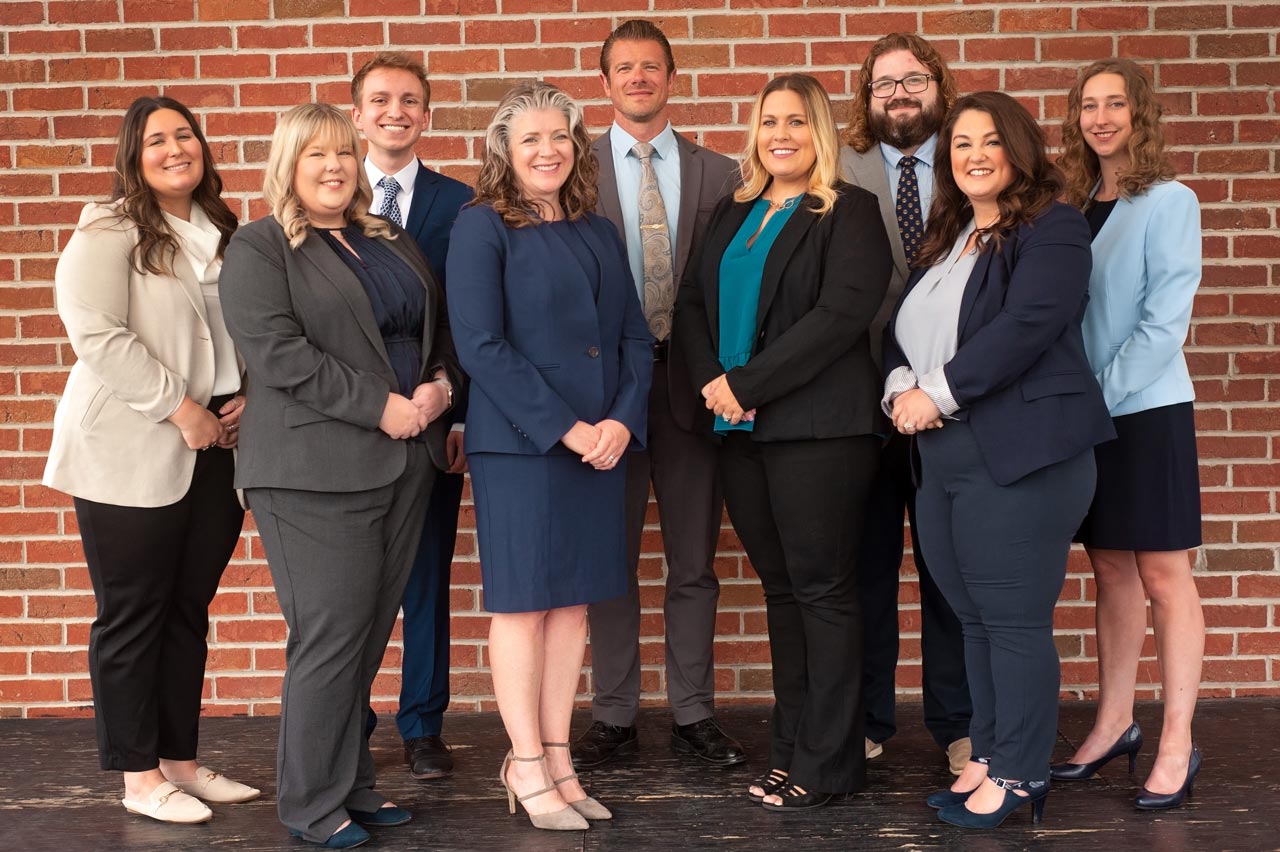
Family Law Legal Team
Family Law Attorneys










Family Law Paralegals









How Grounds Affect Other Divorce Issues
The grounds for divorce can have a ripple effect on other aspects of the case. In West Virginia, fault-based conduct such as adultery or cruel treatment may be considered by the court when determining whether to award spousal support and in what amount, how to divide marital property, and whether to award attorney's fees. In Ohio, the impact of fault on financial outcomes is more limited, but evidence of certain conduct — particularly financial misconduct — can still influence the court's equitable distribution analysis.
The relationship between grounds and outcomes is nuanced, and an experienced attorney can help you understand how the grounds you choose may affect custody, support, and property issues in your specific case.
Why Choose Klie Law Offices
Choosing the right grounds for your divorce is one of the first and most important strategic decisions in the process. At Klie Law Offices, our family law attorneys have extensive experience with both fault and no-fault divorces throughout West Virginia and Ohio. We help clients evaluate their options, develop a litigation strategy that aligns with their goals, and present their case effectively whether the divorce is resolved through mediation, negotiation, or trial.

Get Guidance on Your Divorce Options
If you are considering divorce and want to understand which grounds apply to your situation, contact Klie Law Offices to speak with a family law attorney, or schedule an appointment online. We serve clients from our offices in Buckhannon, Clarksburg, Morgantown, and Parkersburg in West Virginia, and Canton in Ohio.
Office Locations
Buckhannon
21 E Main St, Suite 160
Buckhannon, WV 26201
Map and Directions ↗
Parkersburg
300 Star Avenue, Unit 312
Parkersburg, WV 26101
Map and Directions ↗
Clarksburg
339 W Main St
Clarksburg, WV 26301
Map and Directions ↗
Morgantown
1300 Fort Pierpont Dr, Suite
102, Morgantown, WV 26508
Map and Directions ↗
Canton, OH
4150 Belden Village St NW
Suite 606
Canton OH, 44718
Map and Directions ↗
The first thing you’ll notice when you come to our Law Offices is that we’ll listen to your story. We want to know what you’re going through and what you need. Then, we’ll explain how West Virginia law applies to your specific situation and what your legal options are. There are no cookie-cutter answers here. We create a legal strategy tailored to each client’s individual needs.
Depending on your situation, we will find the right path forward. We are adept at resolving your legal matters through negotiation and mediation whenever possible. But we also won’t hesitate to take your case to trial if that’s what it takes to get the best possible outcome for you.
If you’re facing a legal challenge and need someone in your corner, don’t wait to get the help you deserve. Contact Klie Law Offices today to schedule a confidential consultation and take the first step toward a solution that works for you.