
Parental Alienation in West Virginia and Ohio: Recognizing, Proving, and Stopping It









One of the most damaging dynamics that can emerge during or after a divorce is parental alienation — a pattern of behavior in which one parent deliberately turns a child against the other parent. Parental alienation can erode the parent-child relationship, cause lasting psychological harm to the child, and undermine the court orders that are meant to protect both parents' rights. At Klie Law Offices, our family law attorneys help parents in West Virginia and Ohio identify, document, and address parental alienation through the legal system.
We handle parental alienation cases from our offices in Buckhannon, Clarksburg, Morgantown, Parkersburg, and Canton, Ohio.
What Is Parental Alienation?
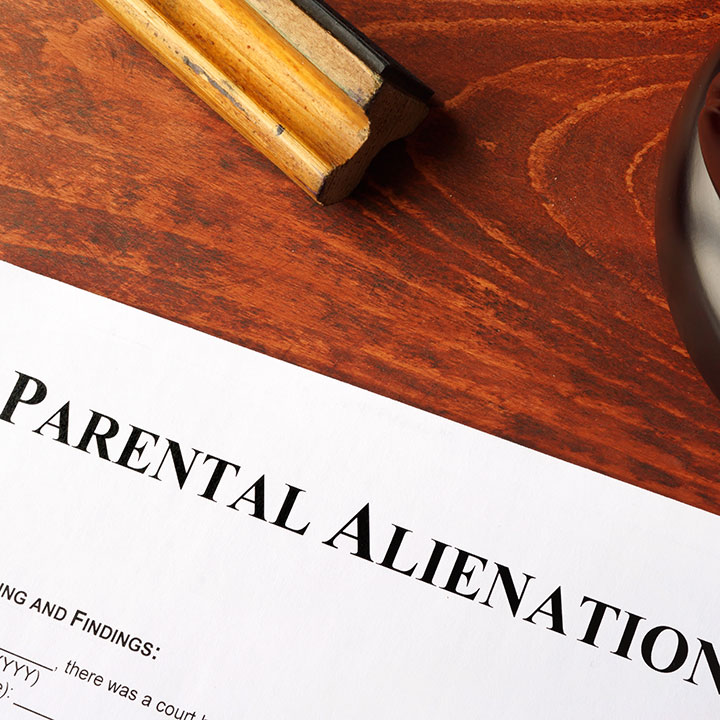
Parental alienation occurs when one parent engages in a campaign — whether subtle or overt — to damage or destroy the child's relationship with the other parent. The alienating parent may use manipulation, false statements, emotional pressure, or interference with parenting time to turn the child against the targeted parent. Over time, the child may begin to reject, fear, or express hostility toward the targeted parent without any legitimate basis.
Parental alienation is not the same as a child having a genuine preference for one parent based on their own experiences. It is also different from situations where a child resists contact with a parent due to legitimate safety concerns such as domestic violence or abuse. True parental alienation involves deliberate manipulation by one parent that distorts the child's perception of the other parent.
Common Signs of Parental Alienation
Parental alienation can take many forms, and it is not always immediately obvious. Some of the most common behaviors and warning signs include the following.
Alienating Behaviors by the Parent
The alienating parent may make frequent negative, disparaging, or false statements about the other parent in the child's presence. They may share inappropriate details about the divorce, legal proceedings, or adult conflicts with the child. They may interfere with the other parent's scheduled parenting time by creating conflicts, claiming the child is sick, or simply refusing to make the child available. They may monitor or restrict the child's phone calls and communication with the other parent. They may encourage the child to spy on the other parent or report back about their activities. They may tell the child that the other parent does not love them or has abandoned them. They may undermine the other parent's authority and household rules. And they may involve the child in legal proceedings or use the child as a messenger between the parents.
Signs in the Child
A child who is being alienated may exhibit certain behavioral patterns. They may express sudden, intense hostility toward the targeted parent that seems disproportionate or unfounded. They may parrot language or accusations that sound like they originated from the alienating parent rather than from the child's own experience. They may refuse to visit or spend time with the targeted parent without a legitimate reason. They may show no guilt or empathy about rejecting the targeted parent. They may idealize the alienating parent while completely demonizing the targeted parent — seeing one as all good and the other as all bad. And they may extend their rejection to the targeted parent's extended family, including grandparents, aunts, uncles, and cousins.


How Parental Alienation Affects Custody Cases
Family courts in both West Virginia and Ohio take parental alienation seriously. One of the factors courts consider in custody determinations is each parent's willingness to foster and support the child's relationship with the other parent. A parent who engages in alienating behavior is demonstrating the opposite of this quality, which can significantly affect the court's custody decision.
In severe cases, evidence of parental alienation can lead to a change in primary custody from the alienating parent to the targeted parent. Courts may also impose restrictions on the alienating parent's behavior, order family counseling or reunification therapy, modify the visitation schedule, or hold the alienating parent in contempt of court for violating the spirit or letter of the custody order.
Proving Parental Alienation
One of the most challenging aspects of a parental alienation case is proving that the alienation is occurring. Alienating behavior often happens behind closed doors, and the alienating parent will typically deny the conduct. Building a strong case requires careful documentation and, in many cases, expert testimony.
Documenting the Alienation
If you suspect that the other parent is engaging in alienation, it is important to begin documenting everything. Keep detailed records of every denied or interrupted visit, including dates, times, and what happened. Save all text messages, emails, voicemails, and social media posts from the other parent that demonstrate alienating behavior. Note any statements the child makes that suggest coaching or manipulation, including the specific language used. Document any witnesses who have observed the alienating behavior or its effects on the child. And keep records of your own efforts to maintain contact with the child, including calls, messages, gifts, and attendance at school events and activities.
Expert Testimony
In many parental alienation cases, the testimony of a mental health professional — such as a psychologist, licensed counselor, or custody evaluator — can be critical. An expert can evaluate the family dynamics, interview the parents and child, review the documented evidence, and provide an opinion about whether alienation is occurring and what interventions are appropriate. Courts often rely heavily on expert opinions in these cases.
Guardian ad Litem
In both West Virginia and Ohio, the court may appoint a guardian ad litem to represent the child's best interests. The guardian ad litem conducts their own investigation, interviews the parents and child, reviews evidence, and makes recommendations to the court. In alienation cases, the guardian ad litem's findings can be influential in the court's decision.
Client Reviews










Day one, I was treated very nicely and worn respect . My attorney, Ally was absolutely amazing and I am so thankful she was my attorney . Ally kept me informed, and always had my best interest at heart. I would absolutely recommend her.
. She had my back the whole time during my divorce process and fought for me all the way through. She made the divorce process so smooth and easy for me . I would recommend Klie Law, 100%, to anyone looking for great representation during the very stressful time of going through a divorce . I am reallly really appreciative of everything that was done for me. Don't have words to tell you how much I love this firm!!! Happy Holidays!!


When I first started, I had no idea where to begin, what steps to take, or who to turn to. Thankfully, I found Alysson Fleenor, Ethan Herrick, and the rest of the legal team at Klie Law, and I couldn't have asked for better guidance.
They were not only professional and efficient but also incredibly patient and communicative every step of the way. They made sure everything moved smoothly and without unnecessary delays or complications. Honestly, I was surprised at how quickly things progressed, but that’s a testament to how well they handled my case.
The team truly took care of me, and I felt supported the entire time. I would absolutely recommend Klie Law to anyone in need of legal representation, especially if you’re looking for a team that offers clear communication, genuine care, and a steady hand to help you through such a life-changing transition. Even if you just need help finding direction during a difficult time, Klie Law is where I’d send you.


Thanks to her efforts, the case was resolved in my favor, far exceeding my expectations. I felt supported, respected, and confident throughout the entire process.
If you’re looking for a lawyer who combines intellect, integrity, and heart, look no further. I wholeheartedly recommend Kimberly Koslski to anyone in need of outstanding legal representation.





Gabby is very knowledgeable and will fight for what you want in the courtroom!
Jennifer and Katie are always quick to respond to any question or concern you may have.
I would definitely use Klie Law for any other service in the future..
An added bonus is their friendly, helpful, always willing to help receptionist, Tammy. She will help you get your questions answered as soon as possible.


Gabby knows her stuff! Super thorough and organized with a hint of sass in the court room. She fights for you and what you want!
Jennifer and Katie are always quick to respond and knowledgeable and if they're unsure, they find out quickly.
If you're looking for a team for your custody case this is it!


Nicole, was also exceptional. She was responsive, organized, and went above and beyond to ensure everything was handled efficiently. She made sure I was informed every step of the way, which made the entire process much smoother.
I highly recommend Klie Law Offices for anyone in need of legal services. Their team is top-notch and I felt completely supported throughout the entire process.







Gigi


Google presented me with four--five Law Firms. After researching and deciphering through reviews, I decided to try Klie Law Office, in West Virginia, my home State!
On my way to my scheduled appointment for case evaluation, I thought to myself, " Will they be willing to accept my case, knowing that my next hearing is in 8 days?" I was Hoping and Praying to my Father, who is beside me with every step of my path, all the way there!
When Iris and I met, we exchanged a firm handshake, and she professionally introduced herself!
To me, a firm handshake means something. Our ( myself, two sisters and one brother) Dad taught us at a young age, a firm handshake means something! To each of us we will know what he means, when our day comes, to experience it!
My day had come, this day! What did I get from her firm handshake? A welcoming first impression of strength and confidence!
We discussed details of my case, and she would inform me of their processes, which member of the team does what, the retainer amount, paperwork process, and they would be there for my hearing, that was now 7 days away!
After processing my retainer, filling out necessary forms, I left with self confidence knowing that Klie Law accepted my case, and they will be fighting For Me, Not Against Me, as in the past 7-8 months.
Thank You, Klie Law!



Responding to False Allegations of Alienation
It is also important to recognize that allegations of parental alienation can be misused. In some cases, a parent may accuse the other of alienation when the child's reluctance to visit is actually based on legitimate concerns or genuine preferences. If you have been accused of parental alienation and believe the accusation is unfounded, our attorneys can help you present evidence that the child's behavior has a legitimate basis and is not the result of your manipulation.
Legal Remedies for Parental Alienation
When parental alienation is identified, the court has several tools available to address it. The specific remedy depends on the severity of the alienation and its impact on the child. Possible legal remedies include modification of the custody arrangement, including transferring primary custody to the targeted parent in severe cases. The court may order structured reunification therapy to rebuild the damaged parent-child relationship. It may impose specific provisions in the custody order prohibiting alienating behaviors. It may enforce the existing order through contempt proceedings with sanctions against the alienating parent. It may award makeup parenting time to compensate for lost visits. And it may order the alienating parent to pay the targeted parent's attorney's fees and costs.

Helpful Shorts From Our TikTok
Klie Law Office F.A.Q
1. What is parental alienation?
Parental alienation generally describes a situation where one parent's words or actions damage a child's relationship with the other parent, often without a legitimate reason. It can range from subtle negative comments to actively interfering with parenting time. Courts take concerns about a child's bond with both parents seriously when that bond is being harmed.
2. What are common signs of parental alienation?
Possible signs include a child suddenly showing strong, unexplained hostility toward a parent, repeating adult criticisms, or resisting parenting time for no clear reason. Interference with phone calls or scheduled visits can be another warning sign. Because these behaviors can have other explanations, courts look carefully at the full picture in each case.
3. What does a court consider in parental alienation cases?
A court focuses on the best interests of the child and whether a parent's conduct is harming the child's relationship with the other parent. Judges may consider testimony, communications, and sometimes input from professionals such as counselors or evaluators. Klie Law Offices can help you present relevant evidence if you believe alienation is affecting your family.
4. What remedies are available if alienation is happening?
Depending on the situation, a court may order remedies like counseling, changes to the parenting schedule, or — in serious cases — a change in custody. The aim is to protect the child's wellbeing and support healthy relationships with both parents. Because these matters are so fact-specific, the right response really depends on the details.
5. How should I respond if I'm worried about parental alienation?
It helps to keep records of missed visits, concerning messages, and changes in your child's behavior, and to avoid responding in kind, which can complicate things. From there, an attorney at Klie Law Offices can review your situation, explain your options, and help you take appropriate steps to protect your relationship with your child.

Family Law Legal Team
Family Law Attorneys










Family Law Paralegals









The Importance of Early Intervention
Parental alienation tends to get worse over time if it is not addressed. The longer the alienating behavior continues unchecked, the more deeply it becomes embedded in the child's perceptions and the more difficult it becomes to reverse. If you recognize signs of alienation, it is important to seek legal help promptly rather than hoping the situation will improve on its own.
Why Choose Klie Law Offices
Parental alienation cases are among the most emotionally difficult and legally complex matters in family law. At Klie Law Offices, our family law team has experience handling these sensitive cases in both West Virginia and Ohio courts. We help targeted parents document the alienation, work with qualified experts, and present persuasive evidence to the court. We also represent parents who have been wrongly accused of alienation and need to defend their relationship with their child.
We understand what is at stake — your relationship with your child — and we approach every alienation case with the urgency and dedication it deserves.


Take Action to Protect Your Relationship with Your Child
If you believe the other parent is engaging in parental alienation, or if you have been accused of alienation, do not wait to seek legal guidance. Contact Klie Law Offices to discuss your situation with an experienced family law attorney, or schedule an appointment online. We serve families from our offices in Buckhannon, Clarksburg, Morgantown, and Parkersburg in West Virginia, and Canton in Ohio.
Office Locations
Buckhannon
21 E Main St, Suite 160
Buckhannon, WV 26201
Map and Directions ↗
Parkersburg
300 Star Avenue, Unit 312
Parkersburg, WV 26101
Map and Directions ↗
Clarksburg
339 W Main St
Clarksburg, WV 26301
Map and Directions ↗
Morgantown
1300 Fort Pierpont Dr, Suite
102, Morgantown, WV 26508
Map and Directions ↗
Canton, OH
4150 Belden Village St NW
Suite 606
Canton OH, 44718
Map and Directions ↗
The first thing you’ll notice when you come to our Law Offices is that we’ll listen to your story. We want to know what you’re going through and what you need. Then, we’ll explain how West Virginia law applies to your specific situation and what your legal options are. There are no cookie-cutter answers here. We create a legal strategy tailored to each client’s individual needs.
Depending on your situation, we will find the right path forward. We are adept at resolving your legal matters through negotiation and mediation whenever possible. But we also won’t hesitate to take your case to trial if that’s what it takes to get the best possible outcome for you.
If you’re facing a legal challenge and need someone in your corner, don’t wait to get the help you deserve. Contact Klie Law Offices today to schedule a confidential consultation and take the first step toward a solution that works for you.